
Source 01
Crays Circle App
/crayscircle/crays-app
Open original routeCrays Circle Community App
Crays connects content creators, fans, communities, and hospitality venues through one Bitcoin-native app built on Nostr.
Inside each venue, the Crays Super Node hardware operates as a local mesh hub and Nostr relay, enabling peer-to-peer payments, access control, and real-time social discovery — even offline.
Crays Circle is your connection layer for the real world. Imagine an app that lets you connect, flirt, pay, tip, vote, and unlock real-world perks.
The result is a global Web3 network where digital monetization and real-world hospitality merge seamlessly — creating a new, decentralized economy of work, live, and play built entirely on Bitcoin.


Thorben Biesenbach
Founding Member CRAYS Crypto Nomads Association
Always Connected
Onsite, Offsite, Worldwide
From festivals to airports to favorite cities, Crays Circle keeps connections alive wherever you go.
Conten Creators
Creators keep 100% of their earnings — no platform commissions, no hidden cuts, no intermediaries.
While most creators lose a significant share of their income to fees and restrictive algorithms, Crays gives them full ownership over their audience, their data, and their revenue.
They get direct access to their community, instant payouts, and complete independence from traditional content platforms. Crays gives creators the freedom to build, earn, and grow on their own terms — without anyone standing in between.

Lifestlye Hospitality Venues
Venues no longer pay payment-provider fees. Crays replaces traditional processors with a 2.5% network fee, which includes a comprehensive software suite for access, ordering, payments, analytics, and social community — all powered by a Bitcoin-native system.
Crays turns followers into real participants, giving them a stake in the communities they support.
Fans & Lifestyle Guests
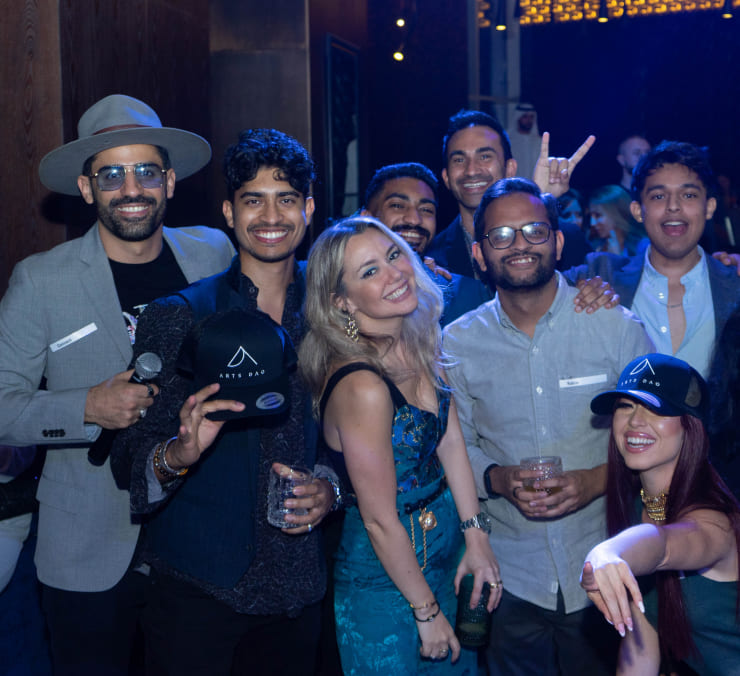
Fans and guests get instant access to exclusive content, private communities, and real-world experiences without paying platform markups.
They can connect directly with their favorite creators and venues, unlock special perks, and enjoy loyalty rewards that actually belong to them — not to intermediaries.
Because the entire system runs on Bitcoin-native rails, payments are faster, cheaper, and globally accessible, giving every guest a smoother, more transparent experience.

Web3 in Motion — One App =
A THOUSAND POSSIBILITIES

Decentralized Mesh Infrastructure
Offline Blockchain Communication
Crays Circle transforms every smartphone into an autonomous smart node—capable of connecting, transacting, and communicating without internet. It’s a decentralized, offline-first system where the network lives in your pocket, not the cloud.
Where Experience Meets Infrastructure
Transparency and Trust
Crays Circle is built on a foundation of decentralization, where trust doesn’t rely on platforms — it’s embedded in the protocol. No tracking, no data harvesting.
Guests connect directly, own their interactions, and every action is transparently logged and verifiable. It’s a system where privacy is respected, participation is empowered, and every connection is built on real trust.
Global Accessibility and Speed
Crays Circle works wherever you go — instantly and without relying on internet providers. Powered by Wi-Fi Aware and mesh networking, it connects people directly, peer-to-peer, with zero delay.
Whether you're on a rooftop in Dubai, a beach in Tulum, or a festival in Berlin, Crays Circle moves with you. Fast, frictionless, and borderless — designed for a global lifestyle.
Programmability and Utility
Crays Circle is more than a social tool — it’s a programmable layer for real-world interaction. From NFT-based access to dynamic rewards and real-time voting, every feature can be customized, tokenized, and scaled.
Venues, brands, and creators can design experiences that respond to guests in the moment — unlocking utility that adapts, evolves, and adds lasting value.












Source 02
Crays Mesh NodeNet
/crayscircle/crays-mesh-nodenet
Open original route
Crays MeshNode Ecosystem
The power of a new era of decentralized living—where apps meet real life, and everything starts local.
Crays turns your phone into a live node—connecting in real time, offline, and blockchain-secured. Just pure peer-to-peer.
Smartphones connect instantly in peer-to-peer, hop-on hop-off mesh networks — enabling secure communication, crypto payments, DAO voting, and NFT transfers on the go.
Powered by a blockchain-based trust layer, Crays Circle is built for freedom, designed for ownership, and crafted to unlock new paths to wealth creation with every connection.
It’s private, lightning-fast, and built for the world ahead — where your phone becomes your wallet, your passport, your key, and your voice.
The Tech Architecture
of Web3 Communities
Decentralized Mesh infrastructure
Every real-life encounter becomes a story. A moment that sticks. Because it’s about a vibe you’ll never forget. Crays Circle brings real-world spaces and communities to life—connecting people, places, goods, services, payments, and possibilities through mesh-powered interaction.

Crays On-Device
Communication Engine

Blockchain Anchors
& Hardware Sync Hubs
Offline Blockchain Communication.

Blockchain Trust
Without Cloud Servers
that turns smartphonesinto smart nodes.


Encrypted Real-Life Networking

Global Community & DAO Governance

Purpose and Neutrality

Ecosystem
Wealth Creation
Crays decentralized
New World Order
Network Ethics
We seek collaborators committed to creating equal opportunities for everyone to live a happy and fulfilling life within a global community that champions peace, justice, freedom, and sustainability for all.


Fair & Democratic
Globalized Living
Making the world our home
Whether you're building, exploring, designing, coding, or just vibing—Crays Circle welcomes founders, nomads, HODLers, and dreamers from all walks of life.
A fairer Financial System
With just an internet connection, you can send, receive, borrow, earn interest, and even stream funds anywhere in the world.

The Internet of Assets
Anything you can own can be represented, traded and put to use as non-fungible tokens, e.g. NFTs. For example; you can tokenise your art and get royalties automatically every time it's re-sold.

An open Internet
Today, we gain access to free internet services by giving up control of our personal data. Our services are easy to set up, controlled by you, and work with your personal data control.

Source 03
The Crays Web5 Life
/crayslifestyle/crays-web3-lifes
Open original routeThe Crays Web5 Lifestyle
Live the Brand. Be the Culture.
At Crays, we’re reimagining digital and IRL branded living — blending lifestyle, community, and innovation into seamless, 24/7 environments where work, life, and play flow as one.
Crays isn’t just your backdrop — it’s your co-creator, helping you thrive in a global Web3 culture rooted in freedom, ambition, and human connection.
Our cultural hotspots and tech ecosystem fuse art, blockchain, and entrepreneurship to shape immersive physical and digital experiences that evolve with your identity.
Whether on-site or connected through our MESH App, every Crays destination becomes a canvas for creativity, adventure, and growth — placing you at the center of a community that moves with you.

As the remote work revolution evolves, a new breed of traveler is emerging—the crypto nomad. While both digital nomads and crypto nomads embrace a lifestyle of freedom and mobility, their approach to work, finances, and lifestyle sets them apart.
Transform your rent into a pathway to wealth with Subscription Living. Instead of simply covering costs, your monthly payments contribute to building equity in a modern, community-focused real estate ecosystem.
Enjoy flexible, fully equipped living spaces designed for convenience and freedom, while making every payment an investment in your future.
Subscription Living combines the best of comfort, flexibility, and financial growth. By turning traditional rent into ownership opportunities, it empowers you to live freely while building wealth over time. Experience a smarter way to live—where your lifestyle and financial goals align seamlessly.

Lisa-Maria Rest
Founding Member of CRAYS Crypto Nomads Association
Crays Members
Active Co-Creators, Not Passive Spectators
'Start by doing what's necessary; then do what's possible; and suddenly you are doing the impossible'
The Crays Brand
The Crays brand embodies our core principle of freedom—freedom of mind, freedom to create, and freedom to redefine how we use places and spaces.
By blending creativity, innovation, and cutting-edge technology, Crays delivers real-life solutions for how we live, work, and connect in an increasingly dynamic world. We integrate the best of our knowledge with the spirit of discovery and a touch of playfulness, creating spaces that inspire productivity, collaboration, and joy.
Crays isn’t just about spaces—it’s about empowering a lifestyle that thrives on creativity, connection, and community-driven experiences.

Music, Entertainment & Lifestyle
Our partners are lifestyle brands that align with Crays' values, aspirations, and the dynamic culture of our community. These partnerships go beyond marketing—they are about inspiring, guiding, and motivating individuals to live more creatively and authentically.
Together with Crays, these brands aim to seamlessly integrate their products into the lives of our members, becoming an integral part of their identity and daily experiences. By collaborating, we redefine lifestyle as something that not only reflects but also elevates the way people live, work, and play.

Web3 partnerships
Crays, together with our digital partners, is paving the way for Web 3.0 to become the ultimate lifestyle brand. Embracing blockchain and Web 3.0 is not just a technological shift—it’s a lifestyle choice rooted in intentionality, self-discipline, and personal agency.
Crays represents a community-driven movement for those who seek to live with purpose, blending innovation with values. With Crays and our partners, Web 3.0 will truly shine as the foundation for a bold, new way of life.

Cays Club Advantages
Our plans in a Nutshell
Whats is a
Lifestyle brand?
At Crays, we’re building something different—our members aren’t just users of the space; they are co-creators. Every Crays member actively contributes to shaping the future of our global network, blending the digital and real worlds to form a vibrant community of individuals who work, live, and play together.



The Living becomes a Lifestyle Brand
Branded Living
Have you ever noticed how brands are deeply woven into almost every aspect of our lives—except where we live? Sure, we have brands for our furniture, kitchenware, and even cleaning supplies. But when it comes to the spaces we call home, there's no brand redefining the experience of living itself.
That’s where Crays and our partners come in. We’re here to change how you live, creating spaces that blend lifestyle, technology, and community into something truly extraordinary.
Branded Buildings
The concept of naming buildings in unique ways is intriguing, but let’s face it—most of the time, it’s just a marketing gimmick.
At Crays, we see things differently. Branded housing, to us, isn’t just about making a building sound appealing; it’s about unlocking its potential to offer real advantages and meaningful experiences.
We aim to bring true value to branded living, turning it into something far more impactful than just a name.
The Living Brand
Imagine if your tenant experience were managed by a brand, just like the other products and services in your life—designed with customer-centric innovation at its core.
At Crays, our mission is to redefine renting by elevating the experience at every touchpoint. We’re not just offering spaces; we’re crafting a lifestyle centered on your needs. This is where branded housing truly shines, setting a new standard for living with thoughtful design, community, and seamless service.
Join our community of Builders & Makers
Meet like-minded individuals
+41 176 460 63 543 or info@crays.org
Source 04
Social Media
/collection/socialmedia
Open original route
Become an Influencer
Join our Influencer Program. Influencers - We want you!
We are on the hunt for content creators and thought leaders with a passion for our planet experience breathtaking locations across the globe.

You have a strong community?
Tell your community about CRAYS lifestyle and memberships

Help us to spread the word!
You have a minimum of 100.000 Followers?

Want to have a fun while working?
Travel 3 weeks a month and get paid for it.

CRAYS Influencer Program
Our mission? Unlock the world's creativity.

Social Media Content Creation
We’re on the hunt for content creators with a passion for our planet to experience breathtaking destinations across the globe - the world’s fastest growing hospitality brand. From treks through the Amazon to urban vibes in Lisbon, and everywhere in between, we have over 85 destinations worldwide (and we’re constantly growing)! This gives you the freedom to live an elevated life anywhere in the world, through the click of a button
Turning Dreams into Carrers
We believe living a life rich in experiences and lasting memories shouldn’t be complex, unattainable, or unaffordable. We want to provide a holistic and easy to use living solution, that combines three dimensions: working, living and travelling. Infusing this experience with a vibrant and diverse community from around the world, consisting of open minded, creative and welcoming individuals, allows you to build friendships for life.
Supported Platforms





Enjoy the good life with Crays
Get in touch with us and send your profiles
Source 05
DAO Ecosystem
/craysclub/dao-ecosystem
Open original route
Crays Crypto Nomads Ass.
Our ecosystem approach
Welcome to the Crays DAO: Redefining the Future
Crays Crypto Nomads Association DAO is more than a network — it’s a global force reshaping how we live, work, and connect in the Web3 era.
Rooted in decentralization, radical transparency, and collective ownership, it empowers its members to co-create a next-gen ecosystem where blockchain meets real-world lifestyle.
As a member, you're not just participating — you're building it. Every step you take adds value to the community and yourself. This is where innovation meets intention.
Join us to shape a future driven by freedom, tech, and real human connection — and be part of something that actually matters.




What is Crays DAO?
Freedom is in our DNA
Governed by its community, Crays DAO is managed through a global network of enterprises and its lifestyle-driven community, leveraging automated Web 3.0 technology for seamless collaboration and innovation.

Decentralized Governance
Crays DAO empowers its members through a transparent and inclusive governance model, where decisions are made collectively. Members actively participate in shaping the ecosystem, ensuring it evolves to meet the community's needs.

Community-Driven Ownership
Leveraging blockchain technology, Crays DAO offers tokenized ownership, allowing members to become stakeholders in the ecosystem. This model fosters shared wealth creation and aligns the interests of all participants.

Innovative Lifestyle Solutions
Crays DAO combines cutting-edge Web3 technology with forward-thinking lifestyle concepts to create intelligent living spaces and solutions. This focus redefines the way people work, live, and connect, setting new standards for the future.


Members
Brand Partners

Operators
VIP Investors
Crays DAO
What do we do together?
A vibrant community fueling collective success, where shared responsibilities inspire individual excellence.


Crays DAO
Advantages
Shaping together
the Future
Collaborate on decisions through decentralized governance to build a more inclusive and adaptive ecosystem.
Share Ownership
Empower members with tokenized ownership, providing them with a tangible stake in the Crays ecosystem.
This innovative approach allows members to actively participate in decision-making, benefit from the platform's growth, and share in financial rewards.
Tokenized ownership fosters transparency, aligns interests across the community, and transforms members into co-owners of the ecosystem’s success.

Innovate Lifestyles
Develop intelligent living solutions that redefine how communities thrive in a digitally connected world. Using cutting-edge Web3 technology, we create spaces that seamlessly integrate work, life, and play, enabling individuals to live smarter and more connected lifestyles.

Build Community
Foster meaningful connections and collaboration through a vibrant, global network of members and partners.
Crays DAO is more than an organization; it’s a movement for people to create, innovate, and grow together.
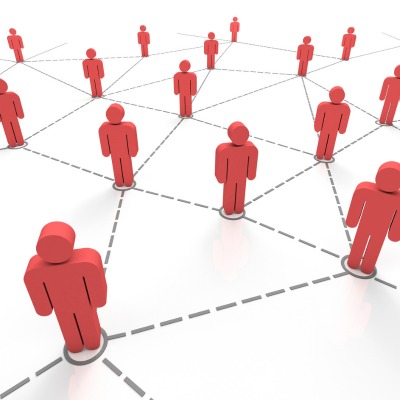
Join our Community of Builders & Makers
Meet like-minded individuals, contact us here.