Profile, access and perks
A user should understand what Crays unlocks before entering a club, venue, event or digital community space.


Crays Web5 infrastructure
Crays connects Nostr identity, OpenClaw AI, in-venue mesh networks, Bitcoin and Lightning payments, RGB-based ownership rails and a hospitality operating stack. The result is not another social feed. It is infrastructure that reads demand, coordinates it and moves it into real venues.




Real venues, digital rails
Guests should feel one simple experience: arrive, connect, access services, meet people and use one profile across venues. The association keeps the standards, data logic, DAO route and technology choices aligned.
A user should understand what Crays unlocks before entering a club, venue, event or digital community space.
Crays can connect hospitality systems, local hardware, booking, ordering, payments and venue-specific member services.
Membership, group assignment, proposals and digital voting can move into DAO-supported workflows as the infrastructure matures.
Where economic participation is appropriate, it sits in dedicated vehicles such as project companies, IP structures, funds or local operators.
Profiles, posts, zaps, badges, DMs and reputation form the demand signal.
OpenClaw clusters intent by time, location, proof, context and permission.
Crays turns matches into introductions, access, orders, bookings and payments.





Central message
Users are matched automatically. Demand is generated instead of searched for. Payments happen directly. Venues become intelligent local networks. Content can be monetized without extractive platform logic. The digital layer only matters when it creates measurable activity in a physical place.
System architecture
The stack starts with human signals and ends with real actions: access, introductions, reservations, room keys, tips, purchases, deposits, ticketing, loyalty and venue operations.
Nostr profiles, posts, DMs, zaps, badges, Crays memberships and creator surfaces provide a portable identity and social graph.
OpenClaw reads intent from the social graph, clusters people by time, location and proof, then routes high-context introductions, venue suggestions and event recommendations.
Crays executes through venue systems, booking providers, PMS, POS, CRM, retail intelligence, Lightning payments and partner workflows so demand becomes occupancy, spend and community retention.
Operating flow
External booking infrastructure such as Amadeus can be treated as execution only: availability, pricing and ticketing after Crays has already understood the desire and matched it to the right context.
Core technologies
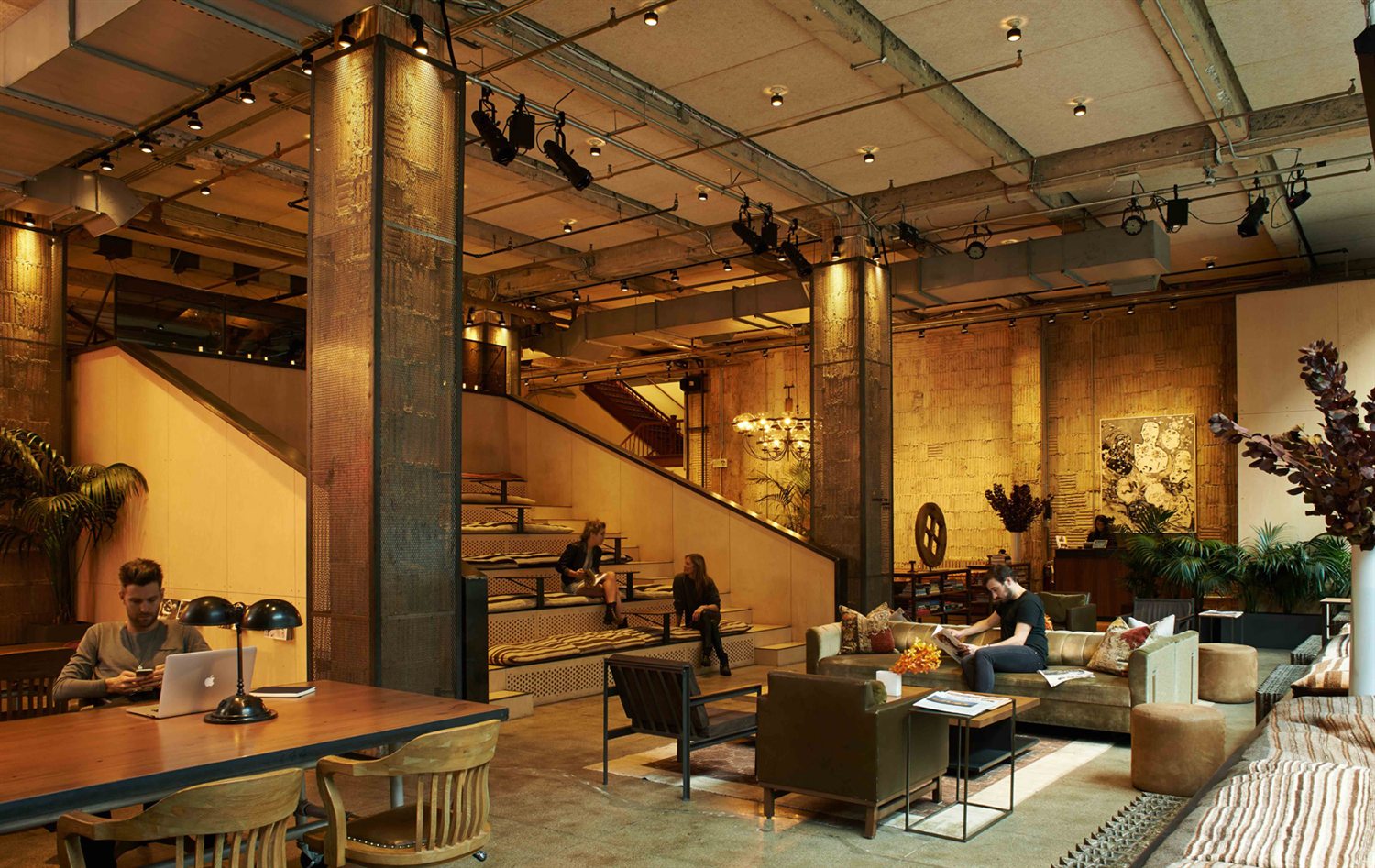

A portable profile and social layer for posts, follows, zaps, badges, creator content, venue presence and Crays community membership.

Direct deposits, tips, reservations, content purchases, POS payments and partner settlement through programmable rails that AI agents and automated services can trigger at machine speed.

Future content licenses, memberships, access rights, RWA participation and proof objects can be validated on the client side while anchoring to Bitcoin.

Smartphones become local light nodes. Super Nodes coordinate traffic, range, identity and venue services when the internet is weak or unavailable.

A critical agent layer that interprets profiles, posts, location, payments and reputation, then turns intent into matching, recommendations, bookings and payment actions.

An intended asset-backed, SDR-oriented payment and liquidity layer for Crays ecosystem use cases, trade finance, venue payments and real-world participation.
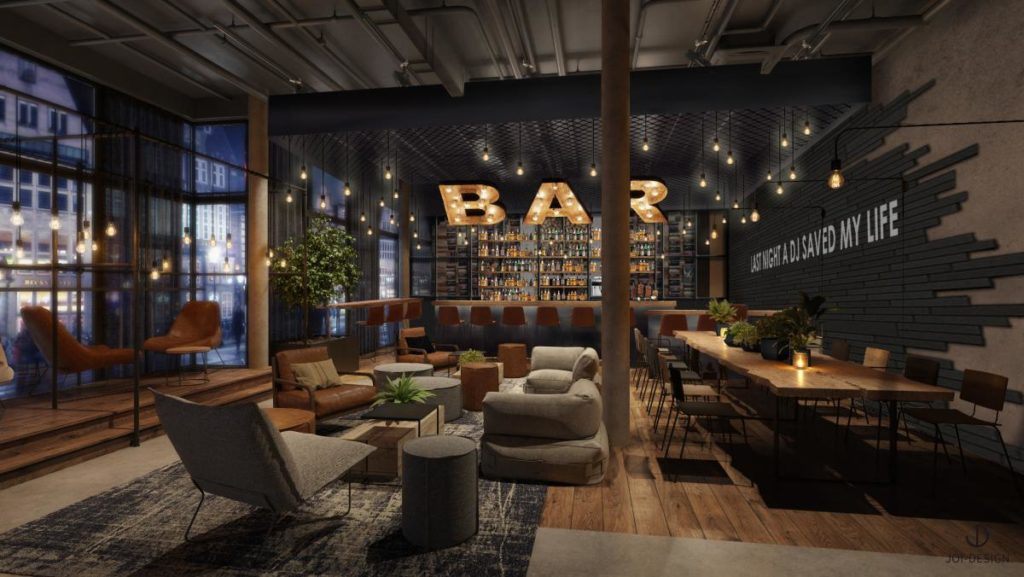

Hospitality infrastructure
The Crays Super Node is the venue-side hardware and software layer: local mesh, venue Nostr relay, guest discovery, token-gated access, offline-first services, Lightning-ready POS and the bridge into hospitality systems.
Plug-and-play venue device for local mesh, relay logic, guest matching, offline-first services and venue-specific perks.
Guest devices can become local nodes for proximity, peer discovery, messaging, voting, access and payments.
Each venue can operate as a local Nostr relay and closed community layer for members, guests and staff.
Deposits, tips, orders, reservations, room keys, VIP areas and token-gated experiences can run through direct payment and proof rails.
Retail intelligence and programmable settlement
Inside a Crays Club, access, identity, product movement, coworking time, room entry and payment can be tied to one wallet-linked session. The NFT is not decoration. It is the proof object that lets a member enter, use the space and connect the visit to a wallet, permissions and receipts.

 Spatial AI partner for shopping
As AI agents such as OpenClaw begin to coordinate more of daily life, payment rails need to be programmable, instant and global. Crays therefore frames Bitcoin and Lightning as the settlement layer for AI-routed hospitality services, while local compliance and partner integrations decide how each venue goes live.
A wallet-linked membership NFT can check a member into the club, grant access rights and open a local venue session.
Spatial intelligence can detect product movement, dwell time and retail activity across shelves, F&B and store zones.
The AI layer can connect intent, offers, products, room usage, recommendations and app-only services to the current session.
The final basket can combine retail, coworking time, F&B, digital services and tips into a near-instant Bitcoin Lightning receipt.
Crays Hospitality OS
The partner stack connects PMS, booking engine, Lightning-native POS, cashierless retail, CRM, loyalty, revenue yield management, membership access, social graph demand and AI coordination. It is designed for hotels, clubs, beach lounges, rooftops, airports, festivals, resorts, cruise ships and cultural venues.
OpenClaw can route users toward venues, tables, events, music moments, wellness pop-ups or people they are likely to value.
When intent becomes concrete, the stack can move into availability, reservation, deposit and payment execution.
Consented signals, venue activity, loyalty, reputation and booking history can help partners understand demand across locations.
A Member Profile can move from Berlin to Bali, Miami, Palma or Dubai while raw private data remains protected and permissions stay explicit.
AiFi-style tracking, product movement, time billing and digital app products help venues monetize shelves, coworking, F&B and services.
Demand signals, direct payments, loyalty, offers and booking context can help venues improve occupancy, spend and repeat visits.
Creators can sell content, subscriptions, tips, livestreams, premium files or PPV access, with paid-rights registries and RGB license paths.
Data, privacy and network effects
Crays separates private identity from operational intelligence. User data and sensitive records stay local or permissioned. Venues receive what they need to operate: access state, demand signals, payments, reservations, loyalty, CRM context and aggregated network insight.
Profiles, paid rights, wallet state and private signals should be controlled by the user whenever the product surface allows it.
A venue node can coordinate local services without gaining unrestricted access to personal user data.
The association can define standards for CRM, demand aggregation, reporting, loyalty and cross-venue use so partners do not fragment the network.
Payments, attendance, membership, contribution, content purchases and local interactions can become proof signals for better matching and access.
Tokenization and ownership
Crays uses tokenization as a practical operating layer: brand IP, memberships, content licenses, RWA participation, operating entities, franchise rights and payment rails can be structured as traceable units. Tokenization is useful only where it clarifies ownership, permissions, settlement or governance.
Trademarks, software, operating standards, digital brand assets and partner permissions can be structured into approved usage units.
Real estate, equity, memberships, content assets and participation rights can be mapped into proof-backed digital objects where legally appropriate.
Crays can use a future Crays DAO Token to represent membership and member group assignment for electronic governance.
The coin concept is positioned for ecosystem payments, SDR-oriented stability, trade finance and real-world venue usage, subject to regulatory structuring.
Local agreements and smart-contract-supported permissions can support royalties, approvals, revenue participation and compliance monitoring.
Crays supports subscriptions, tips, PPV, paid-rights registries, local RGB containers, no-cost license minting and dynamic watermarking.
Roadmap
Crays Nomads and the venue network follow a practical sequence: profile and payment foundations first, creator monetization next, then RGB licensing, in-venue mesh rollout and OpenClaw-led coordination.
Wallet connectivity, on-ramp, Blossom hosting, social link rows, link-hub blocks, Instagram sync, drafts, scheduling, subscriptions, tips, PPV and paid-rights entitlements.
Creator onboarding, Caster badge, client-only decryption, revenue analytics, file PPV, live streaming, monthly statements, local RGB wallet/container, license-gated access and watermarking.
Creator profile URLs replace link-in-bio tools, content can be sold through Lightning and RGB-based license paths become the first ownership rails for paid media.
Hospitality spaces receive in-venue features, local mesh, Nostr relay logic, reservations, ordering, offline messages, personality matching and Lightning payments.
OpenClaw integrates with the Crays Nostr client, venue mesh, POS services and Lightning network to convert intent into matching, recommendations, bookings, deposits and loyalty.
The long-range model imagines a global venue network with Crays Circle, Super Nodes, tokenized IP, Crays Coin, RWA rails and AI-optimized P2P infrastructure.
Roadmap demos
The videos show two product surfaces in motion: a Crays profile and content sale layer, and a venue mesh layer for hospitality spaces.
Creator identity, link-in-bio logic, Lightning payments, subscriptions, PPV, tips and future RGB license-gated access move into one Crays community surface.
Local mesh, venue services, community discovery, personality matching, voting, ordering and Lightning-native interaction come together inside hospitality spaces.
Who this is for
Venue operators get demand and operating infrastructure. Investors see how real-world assets, brand IP and software connect. Builders see where to contribute: Nostr, OpenClaw, Lightning, RGB, mesh, PMS, POS, CRM, data, security, membership and integrations.
Hotels, clubs, beach lounges, airports, rooftops and events can use Crays as a local social, payment and service layer.
The technology explains why Crays is more than hospitality: software, IP, payments, tokenization and demand aggregation compound across venues.
Nostr, Lightning, RGB, OpenClaw, DNC mesh, self-custody and integrations matter because they touch real people and real venues.
Council, DAO, member groups and project entities define who can access, build, fund, approve and operate the network.