Award governance
Awards turn culture into governance.
Awards look playful until they distribute attention, money, status or access. Then they become governance. A Crays Award vote can celebrate creators and community energy, but it also needs enough structure that people understand what happened and why the result is legitimate.
Nostr is useful here because public keys can make nominations, votes, badges and announcements portable. The key is to avoid turning fun into a black box.
Nomination is not selection
A nomination is a proposal. It says this person, project or work deserves attention. Selection is a later decision with rules. Keeping those phases separate makes the process easier to trust. You can publish nominations broadly, then apply eligibility and voting rules with more care.




Identity decides the vote model
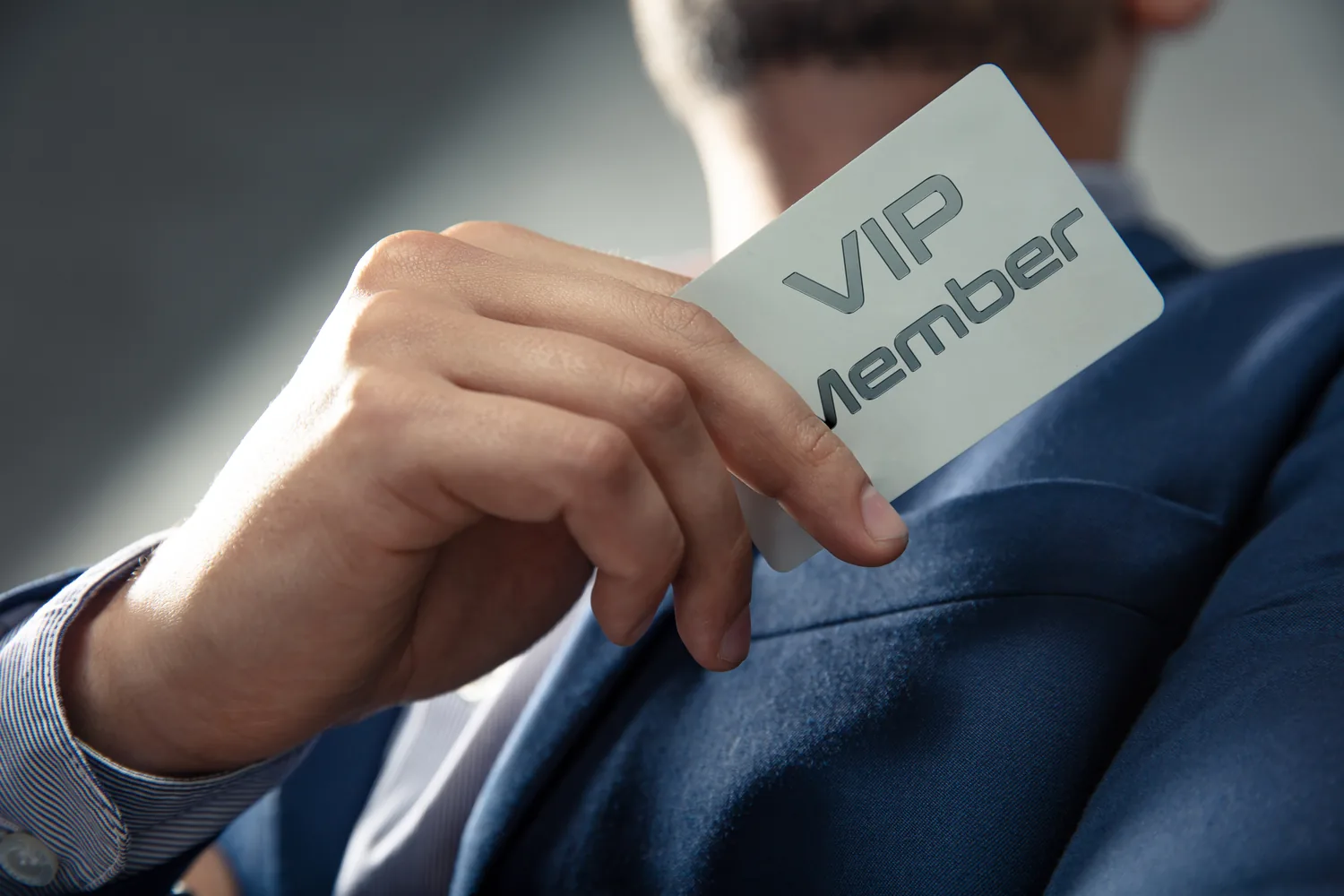
If anyone can vote with any key, the vote measures public excitement but not necessarily one-person-one-vote sentiment. If only badge holders vote, the issuer and badge rules matter. If paying members vote, the model becomes closer to membership governance. The page should state the model plainly before results are celebrated.
Receipts make the result reusable
Public results, signed announcements, winner badges, nomination pages and archived criteria make an award reusable across clients and years. A creator should be able to point to a result without being trapped inside one app or one event website.


Award systems are social engines
A good award does more than pick a winner. It tells a community what kind of work deserves attention. It creates discovery for people who are still outside the obvious circle. It can reward creators, venues, builders, hosts and community organizers who do not fit neatly into one platform metric. That is why the process matters. A sloppy award becomes popularity theatre. A careful award becomes a public cultural record.
Nostr can strengthen that record because nominations, endorsements, comments and winner announcements can be tied to public keys. The award does not have to live inside one app's database. A creator can carry the proof into another client, another profile, another venue or another sponsorship conversation. The badge or announcement becomes a portable receipt.
The voting design should match the prize
If the prize is symbolic, a broad public poll may be enough. If the prize includes money, access, membership benefits or brand authority, the voting model needs more care. Eligibility, anti-spam rules, nomination windows, disclosure of conflicts and final review should all be visible before the vote starts.
This is where Crays can make the award feel different from a platform leaderboard. The vote can stay fun, but the rulebook should be sober. Explain who can nominate, who can vote, how ties are handled, what counts as manipulation, what evidence supports a nominee and how the final result is archived.
A good award leaves useful history
The best outcome is not only a winner page. It is a trail people can revisit: nominees, categories, voting method, public notes, source links, badge awards and follow-up stories. That turns the award from a moment into an archive of the scene. For Nostr, that archive is more valuable when it remains linked to keys and source events rather than screenshots.