
0101
Public square
The community starts with keys and relays, but it becomes readable through the people who build, host, argue, explain and show up.
Start with the human mapPeople
Find builders, creators and public accounts with enough context to follow their work.
Find your way in
Start with the public square, then follow the builders, creators, rooms, zaps, trust fights, funding paths and migration stories that explain why Nostr feels different from a normal platform.

 Public squareStart here when you want the human map before the name list: why keys, relays, clients and trust turn into a living community.
 BuildersRead this when you want the public work trail behind the protocol: commits, clients, libraries, relays and maintenance.
 CreatorsUse this when you want the voices, shows, music, reports and creator habits that make the protocol understandable.
 EventsFollow this when names need rooms around them: Nostriga, Nostrasia, meetups, recordings, Nests and live stages.
 Zaps and moneyRead this when you want to understand why Lightning, zaps, wallets and NWC changed how people behave in the community.
 Trust and moderationOpen this when you want the social argument under Nostr: spam, mute lists, relays, reputation, safety and visibility.
 Funding backersRead this when you want the grant makers, Bitcoin funds and venture lanes behind Nostr work, without pretending money is neutral.
 MigrationUse this when the People story is really about migration, portable identity, server culture, app views and old habits.

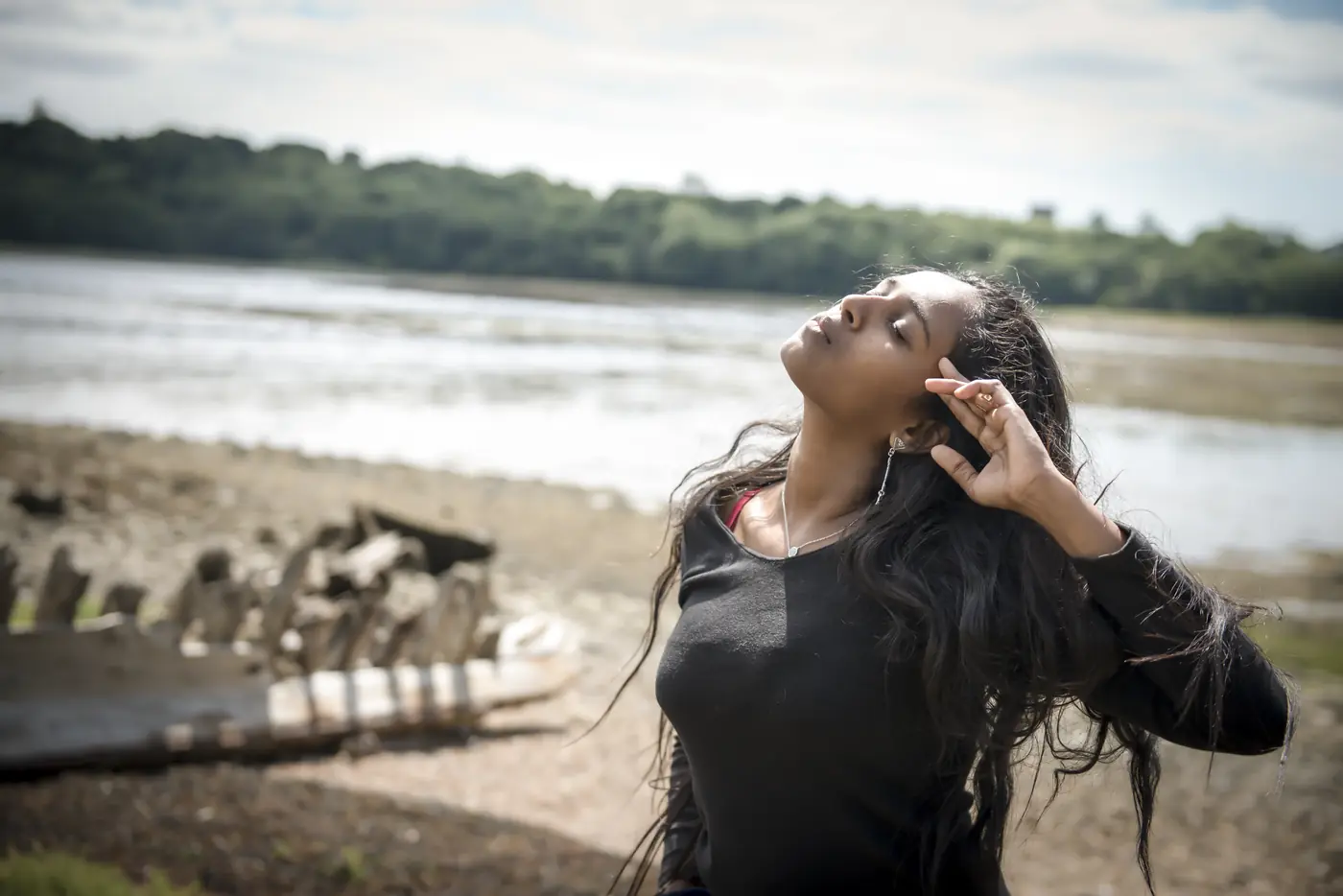



People floor
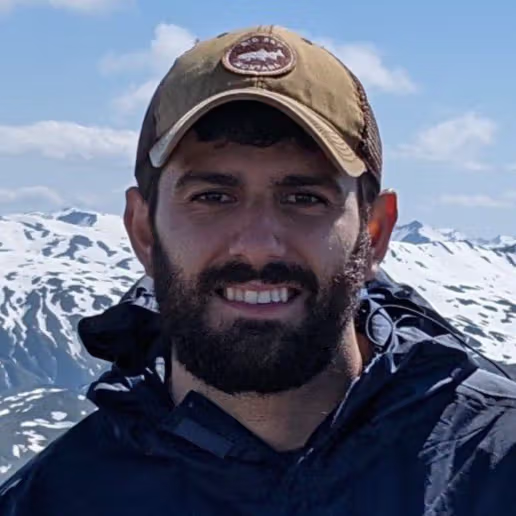
A good people route should feel like walking into the room. Recognizable portraits pull builders, founders, creators and media voices into view, while public sources stay one click away.
 Alex Gleason
 Ben Perrin
 Derek Ross
 Enoch Root
 Evan Henshaw-Plath
 EZ
EZ
 fiatjaf
 Gareth Tyson
 George Kaloudis
 Greenart7c3
 Hodlbod
 hzrd149
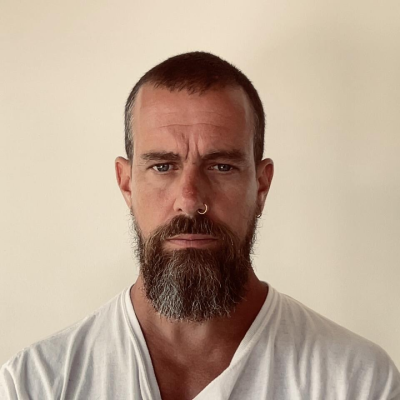 Jack Dorsey
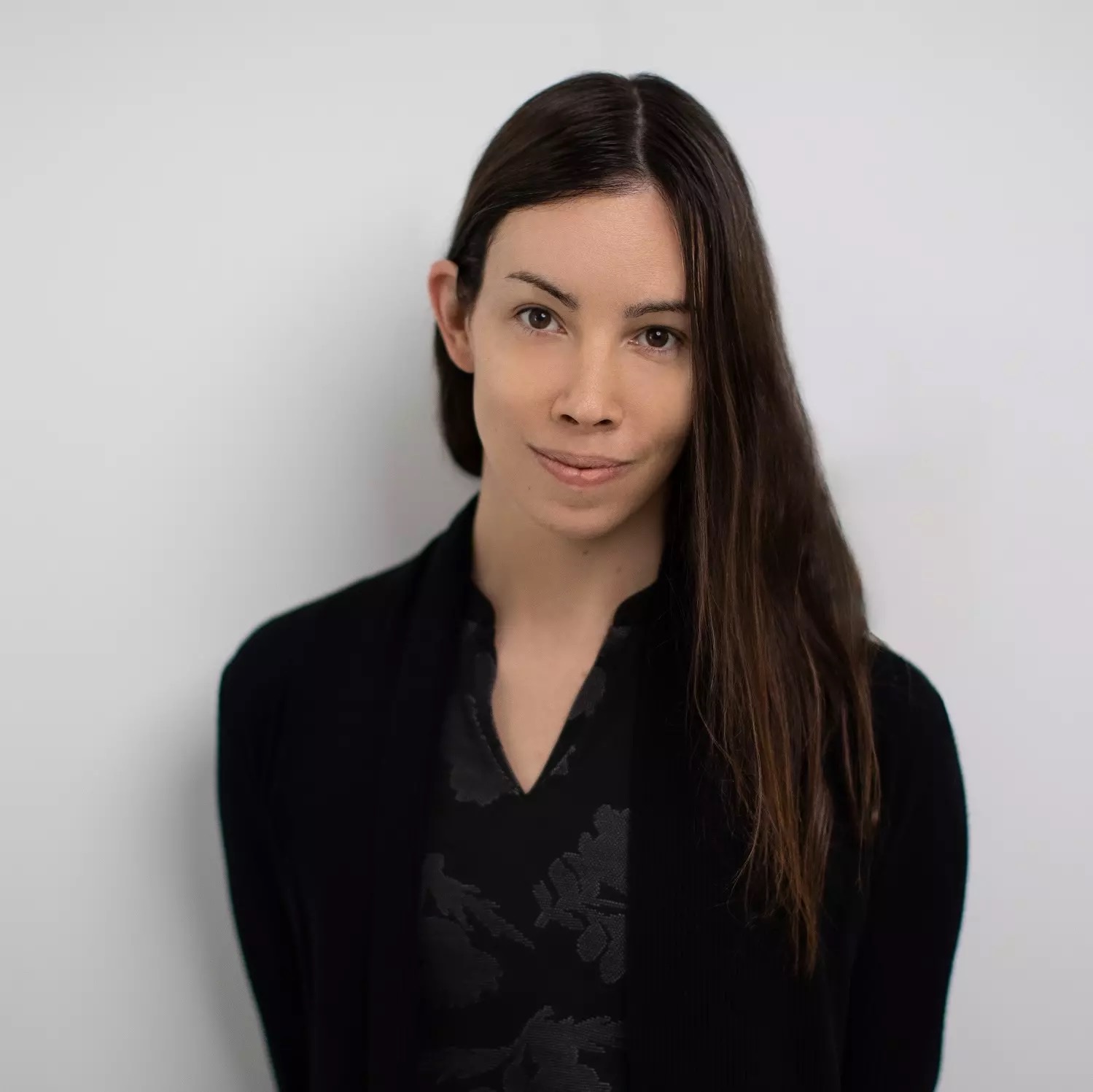 Lyn Alden
 M. K. Fain
 Martti Malmi
 Mike Dilger
 Miljan Braticevic
 PabloF7z
 Roger Huang
 Sarah Perez
 Stuart Bowman
 Vitor Pamplona
 William Casarin
 Yiluo Wei
 Yuki Kishimoto
 ODELL
ODELL
 Ben Arc
 Max DeMarco
 The Nostr Report
 Joe Nakamoto
 Daniel Prince
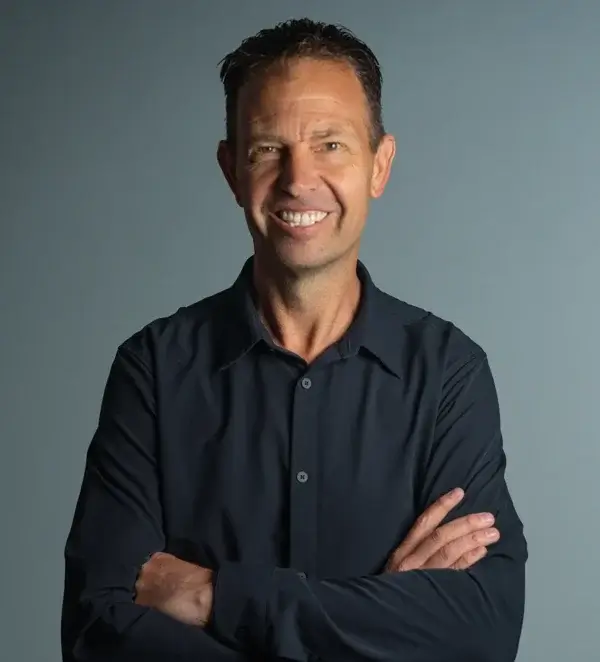 Jeff Booth
 Jameson Lopp
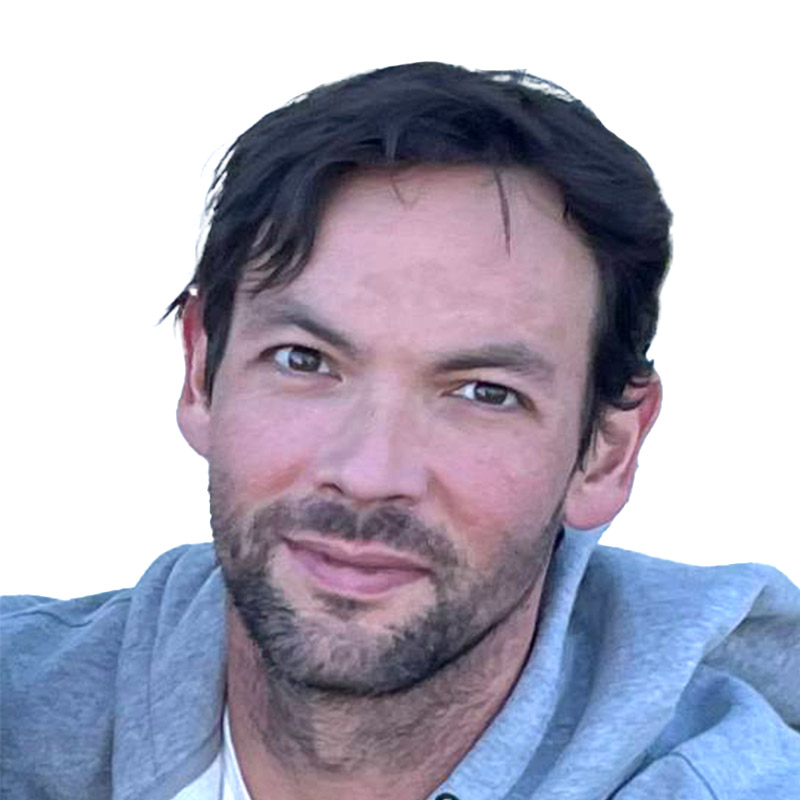 Erik Cason
 Plebchain Radio
 Karnage
 OpenMike
 Kieran Harkin
 Daniele
 SnowCait
 Cody Tseng
 Verbiricha
 DanConwayDev
 Sepehr Safari
 Bryan Montz
 Niel Liesmons
 Michael Bumann
 Calle
Calle
 Jeff Gardner
 Max Hillebrand
 Franzap
 water783
 Francisco Calderon
 PlebOne
 Mattn
Mattn
 Barry Deen
 Robert Nagy
 Nogringo
 Anderson Juhasc
 tami1A84
 sandwich
 jeremyd
 utxo
utxo
 atrifat
 Sebastix
 Djuri Baars
 Austin Kelsay
 Christopher Scott / cmdruid
 KotlinGeekDev
 frnandu
 Leo
Leo
 pratik227
 mplorentz
 flox1an
 purrgrammer
 futurepaul
 ZharlieW
 dluvian
 vstabile
 Abhay Raizada
 KoalaSat
 trbouma
 kehiy
kehiy
 TsukemonoGit
 sanah9




Funding ecosystem
Nostr is built by developers, designers, relay operators, writers and communities. It also needs donors, grant makers, Bitcoin-native funds and investors who understand when a public protocol needs patient money. These eight profiles separate direct Nostr grants from human-rights funding, Bitcoin venture capital and broader frontier capital.
Start with OpenSats when you want the direct grant trail: who received support, what kind of Nostr work was funded and why open-source infrastructure needs a public runway.
Direct Nostr funding rail Read funding profile
Use HRF when you want to understand Nostr as freedom technology, not only as a social app or builder scene.
Direct freedom-tech and Nostr-adjacent grants Read funding profile
Use Bitcoin Frontier Fund as the startup lens: not a public Nostr grant desk, but a Bitcoin-native early-stage investor to watch when a Nostr project becomes a venture-backed product.
Nostr-adjacent startup capital Read funding profile
Use Ten31 when the question is how a Nostr company fits inside Bitcoin-first capital rather than generic crypto venture.
Direct Nostr thesis in freedom-tech language Read funding profile
Use ego death capital for the harder commercial question: when does a Nostr idea become a real Bitcoin business?
Nostr-adjacent through Bitcoin companies and advisors Read funding profile
Use TVP to understand the institutional Bitcoin-native venture lens around infrastructure, Lightning, media and startup categories that Nostr companies may enter.
Nostr-adjacent through Bitcoin-native infrastructure Read funding profile
Use Fulgur when Nostr turns into wallets, zaps, Lightning infrastructure, payments and the harder payment UX underneath the social layer.
Nostr-adjacent through Lightning, wallets and Nostr-connected portfolio work Read funding profile
Use Draper Associates as the broad venture reference: not a Nostr grant rail, but a possible future lane for venture-scale decentralized infrastructure companies.
Broad Bitcoin and decentralized infrastructure capital Read funding profile



Human route
The six cards below are the reader path: verify the account, read the work, open the finished profile, follow the room, compare the network and use the full archive only when the question needs it.


Archive shelves
Names become useful when the reader can see what pressure surrounds them: code, money, moderation, media, events, migration, trust and the rooms where the community argues itself into shape.
The community starts with keys and relays, but it becomes readable through the people who build, host, argue, explain and show up.
Start with the human mapNostr survives through maintenance: NIPs, clients, libraries, signers, relays, wallets and the people who keep them usable.
Read work before reputationHosts, writers, musicians, video makers, journalists and educators make the protocol legible to people outside the builder circle.
Open when the voice mattersConferences, meetups, live streams, Nests and recordings show where the scene becomes more than a feed.
Follow the roomZaps, grants, paid infrastructure, moderation tools and trust systems reveal what the community values and where it still fights.
Read the incentivesHow to use this page
Start with builders, public voices, creators, events, funders, relay operators and culture pages when you want to understand who gives the protocol its shape.
Loading the full atlas index.

Improve this page
Ask a question, send a source or suggest a correction. Good People pages begin with public evidence: work, talks, projects, events, grants or writing a reader can open.