
 Enoch Root
 fiatjaf
 William Casarin
 Vitor Pamplona
 PabloF7z
 Hodlbod
 Yuki Kishimoto
 Mike Dilger
 Alex Gleason
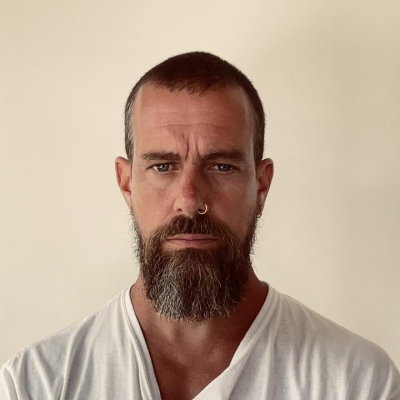 Jack Dorsey
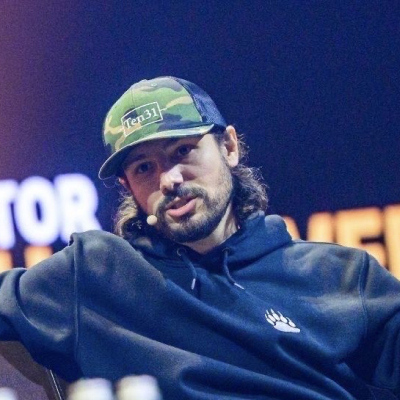 ODELL
ODELL Ben Arc
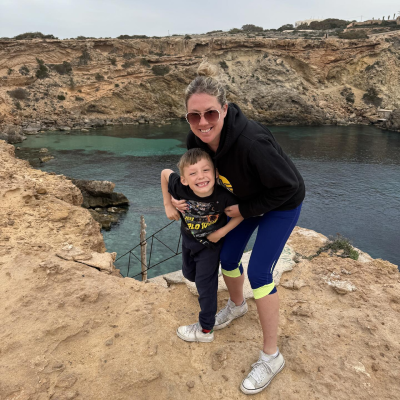 Vanessa
 Terry Yiu
 Derek Ross
 Karnage
 OpenMike
Yuki Kishimoto
Yuki Kishimoto is the kind of contributor people notice only when the infrastructure is missing.
Infrastructure most readers never see
Yuki Kishimoto represents the maintenance layer: libraries, bindings, wallet support and protocol code that serious apps quietly depend on.
Yuki Kishimoto is here as rust-nostr creator and library maintainer. That is the clean entry point, but the profile only gets interesting once the role is connected to public work: rust-nostr, Nostr Wallet Connect support and Rust Nostr Book.
The useful biographical frame is adult public life: what the person built, wrote, funded, hosted, measured, explained or operated, and how those choices affected the Nostr ecosystem. Childhood trivia would only blur the page. The interesting part is the pattern of decisions visible in the record.
Yuki Kishimoto is the kind of contributor people notice only when the infrastructure is missing. The sentence is short on purpose. It gives the reader a human hook before the article opens the machinery underneath.
The profile is written from the outside in. It begins with what can be opened, watched, tested, read or traced, then works back toward the person. That is the only fair way to handle a scene where some people are public executives, some are pseudonymous maintainers, some are writers, some are hosts and some are known mainly through a project that other people use every day.
The result should feel like a magazine portrait, not a product page. A reader comes away with the shape of a life in public work: the role, the projects, the voice, the tradeoffs, the way the person entered Nostr and the reason the name still helps explain the network now.
rust-nostr and the language-binding layer
A good profile of Yuki Kishimoto starts with the work, because the work is where public biography stops being rumor. rust-nostr, Nostr Wallet Connect support and Rust Nostr Book are the names that carry this story. They show the reader where the person touched Nostr or the culture around it.
The first anchor is rust-nostr. Rust implementation of the Nostr protocol and high-level client library. That detail matters because a biography about Yuki Kishimoto should not float above the work. It should show the object on the table: the app, show, article, grant, repo, talk, company, project or public role that lets a reader understand why this person appears in the Nostr map. In this workshop, personality shows up through repeated choices more than through slogans.
The second anchor is Nostr Wallet Connect support. library work that reaches into payment permissions and wallet apps. That detail matters because a biography about Yuki Kishimoto should not float above the work. It should show the object on the table: the app, show, article, grant, repo, talk, company, project or public role that lets a reader understand why this person appears in the Nostr map. In this workshop, personality shows up through repeated choices more than through slogans.
Another anchor is Rust Nostr Book. documentation and project map for builders. That detail matters because a biography about Yuki Kishimoto should not float above the work. It should show the object on the table: the app, show, article, grant, repo, talk, company, project or public role that lets a reader understand why this person appears in the Nostr map. In this workshop, personality shows up through repeated choices more than through slogans.
The pattern across those anchors is turning protocol ideas into tools that other people can actually use. That is why the name belongs beside Nostr rather than in a loose celebrity shelf. The role has a job. It explains one part of the network that would be harder to understand without this person, show or project in view.
rust-nostr gives the profile its front door. Nostr Wallet Connect support widens the room. Rust Nostr Book gives the reader a second angle, which matters because Nostr people rarely fit into one clean title. The same person can be a maintainer, writer, host, operator, designer and public argument all at once.
That overlap is not clutter. It is one of the main facts about Nostr. The network is still young enough that people have to carry several jobs before institutions exist to separate them. Yuki Kishimoto's biography should preserve that early-stage mess without romanticizing it.
When libraries become adoption paths
Kishimoto represents the quiet infrastructure layer. rust-nostr is not a flashy consumer brand. It is the kind of library work that lets serious products stop improvising and start building on a maintained implementation.
OpenSats describes the project as a Rust implementation, high-level client library, bindings and more. That matters because Nostr needs reliable software in many environments, not one JavaScript demo copied forever.
The NWC angle makes it even more relevant. Once money permissions enter the product, implementation quality becomes less optional. Bugs are no longer just ugly timeline behavior; they can affect wallet flows, signatures and user trust.
For readers, rust-nostr is close to the Super Node and venue infrastructure conversation. If local systems, payments and services run in production, we need foundations that feel more like infrastructure than weekend experiments.
The Nostr angle is specific: turning protocol ideas into tools that other people can actually use. For Yuki Kishimoto, the network is not an abstract banner. It is a place where identity, publishing, payments, discovery, security, research, education or culture becomes practical. The profile keeps that practical surface visible.
That is also where the personal shape appears. People show themselves through the problems they keep returning to. Some choose safer keys. Some choose better clients. Some choose the patience of tutorials. Some choose press coverage, podcasts, essays, funding or data. Yuki Kishimoto leaves a public pattern in that choice.
The useful question is what changed because this work became public: which tool appeared, which safer habit spread, which conversation became easier to follow, and which part of Nostr becomes clearer when the profile is read beside the evidence.
That question keeps the tone human. It prevents the article from becoming a shrine to decentralization vocabulary. The interesting thing is not that Yuki Kishimoto is near Nostr. The interesting thing is how the public work made some part of Nostr easier to see, easier to trust or harder to ignore.
A serious product needs reliable protocol foundations
The technical trail is where the biography becomes inspectable. rust-nostr repository, GitHub: Yuki Kishimoto, nostr crate and rust-nostr organization people lets readers see the product surface, repository history, package listing or app-store presence behind the name. That matters in a network where reputation often travels faster than code.
The official trail gives the article its spine. OpenSats LTS for Yuki Kishimoto, Rust Nostr Book projects, No Bullshit Bitcoin LTS coverage and Rust Nostr maintainers is where the public profile, project page, grant page, paper, personal site or archive ties the story back to something a reader can open.
Read together, those sources point to a workshop, not a trophy case. The point is not to stack links until the page looks important. The point is to let the reader follow the same route the profile follows: from a public claim to a project, from a project to a person, and from the person back to the Nostr problem they kept choosing.
The sources are especially important for Yuki Kishimoto because public Nostr identity can be messy. Names, handles, relays, apps and profile pages move. A sourced portrait gives the reader something firmer than vibe: outside coverage where it exists, primary project pages where they exist, and public interviews where the person explains the work directly.
10 direct sources sit behind this page. They are not broad background links about Nostr in general. They are connected to Yuki Kishimoto: project work, public writing, talks, grant records, official pages, repositories, app listings, media appearances or social profiles.
The strongest trail starts with OpenSats LTS for Yuki Kishimoto, rust-nostr repository, GitHub: Yuki Kishimoto, Rust Nostr Book projects, nostr crate and No Bullshit Bitcoin LTS coverage. Those links do different jobs. Some prove that a project exists. Some show how it is described by its own builders. Some show outside attention. Some capture the person speaking at length. None of them should be treated as filler.
Good sources also create boundaries. If the record is rich, the article can be richer. If the record is narrow, the profile stays honest and makes the narrowness part of the portrait. That restraint is not a weakness. In Nostr, restraint is often the difference between biography and myth-making.
The public trail
The human part of the profile is not gossip. It is texture: commits, release notes, broken edges, user complaints and the stubborn habit of shipping again. That texture is what separates Yuki Kishimoto from the next name on the grid.
In practice, Yuki Kishimoto's role sits in a workshop. That word matters. It tells you what kind of public behavior to expect. A workshop profile is about making and maintaining. A studio profile is about voice and audience. A desk profile is about argument. A lab profile is about measurement. A company-floor profile is about execution. A road profile is about lived thesis.
The best way to read the profile is to watch for recurring habits. Does the person simplify? Measure? Fund? Host? Design? Argue? Ship? Teach? Protect keys? Build community? The habit is more revealing than a grand statement. It shows what the person values when nobody is forcing a neat biography onto the work.
That is why the article stays close to Nostr while still reading like a portrait. The goal is not to list every public fact. It is to give the reader enough life, context and evidence to understand why Yuki Kishimoto matters here.
There is a quiet difference between fame and weight. Fame is how often a name appears. Weight is whether the work changes how other people behave. This profile cares about weight. It looks for the work that other people build on, learn from, cite, argue with or use as a shortcut into the network.
Yuki Kishimoto may be public, pseudonymous, institutional or project-first. The format still stays human because the article follows choices, not publicity. A choice repeated over time becomes a character line. That is where biography lives in an open-source ecosystem.
Yuki Kishimoto in the Nostr map
Placed on the map, Yuki Kishimoto is not just another node. The profile sits where turning protocol ideas into tools that other people can actually use. That location changes what a reader looks for. A builder's importance may be hidden in boring reliability. A creator's importance may be hidden in the fact that beginners keep coming back. A researcher's importance may be hidden in one graph that punctures a popular story.
The map also shows proximity. Yuki Kishimoto touches rust-nostr, Nostr Wallet Connect support and Rust Nostr Book; those names touch wallets, clients, relays, creators, conferences, grants, app stores, articles or public conversations; and those touch the people trying to use Nostr without becoming protocol historians. That chain is the real story.
This is why the article does not need breathless language. The facts are enough when they are arranged well. If Yuki Kishimoto helped make something easier, safer, louder, more visible, more measurable or more durable, the page should show exactly where that happened.
The map is also allowed to be imperfect. Nostr does not have one official scoreboard. Influence moves through repos, zaps, conference rooms, podcasts, grants, relays, clients, private chats and public arguments. The page gives readers a careful route through that mess instead of pretending the route is obvious.
The adult biography, not the legend
The adult biography is the useful one. It is the story of public work under pressure: money, attention, tooling, adoption, usability, freedom of expression, key custody, publishing, measurement, creator income, community memory or product survival. That is the material that belongs here.
Private life only belongs when it is public, sourced and relevant to the Nostr role. Otherwise the better choice is to let the work carry the person. That keeps the tone respectful without making the article sterile. A reader can still feel the human being through the kinds of problems they choose.
For Yuki Kishimoto, the public shape is not a straight line. It is a cluster: rust-nostr, Nostr Wallet Connect support and Rust Nostr Book on one side, OpenSats LTS for Yuki Kishimoto, rust-nostr repository, GitHub: Yuki Kishimoto, Rust Nostr Book projects, nostr crate and No Bullshit Bitcoin LTS coverage on the other, and the Nostr question running through the middle. That is closer to how real careers work. People do not move as cleanly as route maps.
The profile reads with a little movement. It has enough facts to trust, enough rhythm to keep going and enough restraint to avoid turning a living person into a mascot. That is the standard this page is trying to meet.
What changed around the work
The useful question is what became easier to imagine after Yuki Kishimoto entered the story. With rust-nostr, the answer is not only the object itself. It is the behavior around it: people testing a new client, trusting a source, opening a repo, listening to a long conversation, using a payment path, showing up for a room or taking a protocol idea seriously enough to try it.
Nostr Wallet Connect support adds a second layer because it shows whether the work had range. A single launch can be luck. A second public artifact starts to look like taste. A third one, such as Rust Nostr Book, starts to show a method. That method is where a biography becomes more than a timeline. It lets the reader understand what the person keeps protecting, improving or making visible.
Around Yuki Kishimoto, the signal is not always loud. Sometimes it is a practical habit hiding in plain sight: a cleaner explanation, a better interface, a funded maintainer, a security warning, a field report, a working app, a show that makes people feel less lost, or a piece of research that turns community instinct into evidence. Those are not small things in a protocol culture. They decide who can enter.
This is also where adult life enters without turning the page into personality theater. Public work carries pressure. It carries taste, patience, stubbornness, fatigue, optimism, status, money, community expectation and criticism. A profile can mention those forces without guessing private motives. It can show how Yuki Kishimoto moved through the visible parts of the scene and what kind of trace that movement left.
The trace matters because Nostr is still partly a memory problem. The network moves through short notes, relays, handles, repos, meetups, grant pages and podcasts. If nobody writes the people layer carefully, important context disappears into old tabs. A portrait gives that context a stable shape without pretending the story is finished.
The strongest profile is therefore neither hype nor prosecution. It is attentive. It gives Yuki Kishimoto credit where the public trail supports it, keeps distance where the record is thin, and lets contradictions stay visible. That tone is better for the reader and fairer to the person. It is also more interesting, because real influence is rarely tidy.
It also keeps the article readable. A person can matter through one decisive project, a dozen quiet contributions or a public voice that helps the scene understand itself. The profile makes that difference clear without flattening everyone into the same shape.
By the end, the reader knows the basic arc: what Yuki Kishimoto did before or around Nostr, which projects or public roles matter most, how those projects touched the ecosystem, which sources make the story checkable and why the name still belongs on the map. If the page delivers that, it has done the biography work without needing buzzwords.
The public work behind the name
The tension is worth keeping. a builder profile can become too technical if it forgets the people on the other side of the interface. A stronger profile admits that risk and writes through it instead of pretending the person is simple.
There are also limits in the public record. Some people in this map are famous founders. Some are pseudonymous builders. Some are shows, publications or public voices rather than conventional biographies. The right move is not to invent private motives. The right move is to write the public record with more care.
So the portrait lands here: Yuki Kishimoto helps explain turning protocol ideas into tools that other people can actually use. The work list gives the proof, the sources give the trail, and the Nostr connection gives the frame.
The practical reader can now do three things: open the work, listen to the voice and compare the claim with the public trail. If the profile survives those three moves, it earns its space. If it does not, the page has to become sharper.
That is a good standard for the whole People section. The profiles should not flatter the scene. They make it easier to understand. They should show who did what, why it mattered and where the evidence sits. Yuki Kishimoto is one piece of that larger human map.
One line is enough to remember it: Yuki Kishimoto matters because Builder profile: rust-nostr, Nostr Wallet Connect, bindings, tests, Rust Nostr Book and serious implementation work.
Sources worth opening
- OpenSats LTS for Yuki KishimotoFunding, grant or project context tied directly to Yuki Kishimoto's visible role in the Nostr ecosystem.
- rust-nostr repositoryCode, repository or developer profile evidence for the work behind this Yuki Kishimoto portrait.
- GitHub: Yuki KishimotoCode, repository or developer profile evidence for the work behind this Yuki Kishimoto portrait.
- Rust Nostr Book projectsRelevant public source for Yuki Kishimoto: project page, profile, article, show page or archive tied to the work described here.
- nostr crateRelevant public source for Yuki Kishimoto: project page, profile, article, show page or archive tied to the work described here.
- No Bullshit Bitcoin LTS coverageOfficial site, archive or project page used to anchor this profile in public evidence rather than reputation.
- Rust Nostr maintainersRelevant public source for Yuki Kishimoto: project page, profile, article, show page or archive tied to the work described here.
- rust-nostr organization peopleCode, repository or developer profile evidence for the work behind this Yuki Kishimoto portrait.
- Rust Nostr BookRelevant public source for Yuki Kishimoto: project page, profile, article, show page or archive tied to the work described here.
- Yuki Kishimoto websiteOfficial site, archive or project page used to anchor this profile in public evidence rather than reputation.