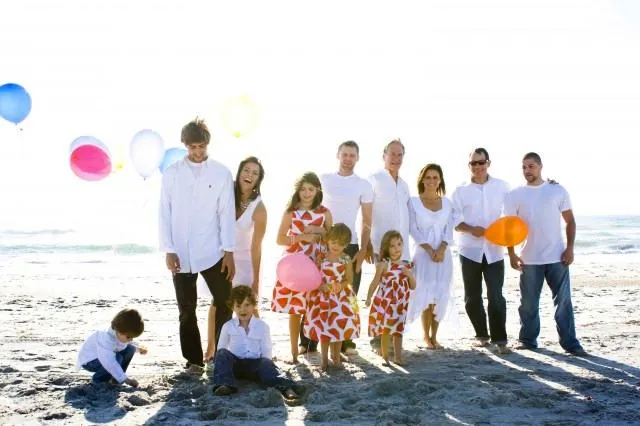
 Enoch Root
 fiatjaf
 William Casarin
 Vitor Pamplona
 PabloF7z
 Hodlbod
 Yuki Kishimoto
 Mike Dilger
 Alex Gleason
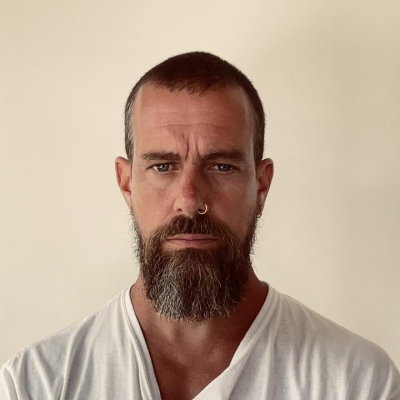 Jack Dorsey
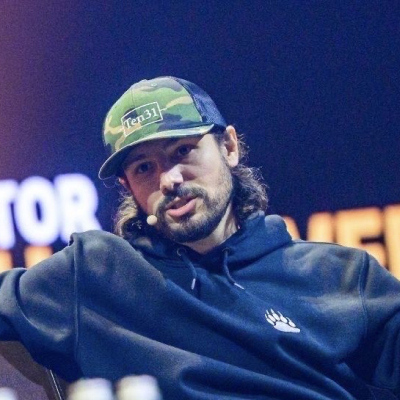 ODELL
ODELL Ben Arc
 Vanessa
 Terry Yiu
 Derek Ross
 Karnage
 OpenMike
The People Layer of Nostr
Nostr is not only software. It is a scene of builders, writers, funders, critics and stubborn users who keep the thing alive.
A protocol does not wake up in the morning and decide to help a newcomer, fix a client bug, argue about moderation or record a podcast. People do that. Nostr can look like a stack of specs from a distance, but up close it is a room full of builders, writers, relay operators, Bitcoin people, artists, privacy nerds, product designers and users who are tired of asking permission to exist online.
Protocols do not wake up excited
A protocol does not wake up in the morning and decide to help a newcomer, fix a client bug, argue about moderation or record a podcast. People do that. Nostr can look like a stack of specs from a distance, but up close it is a room full of builders, writers, relay operators, Bitcoin people, artists, privacy nerds, product designers and users who are tired of asking permission to exist online.
That human layer is why Nostr keeps moving even when the product layer feels uneven. Someone ships a better signer. Someone writes a clearer explanation. Someone runs a relay through a spam storm. Someone posts a thread that makes the whole thing understandable to a newcomer. The network grows by signed events, yes, but it survives by human patience.
The founder story is only the opening scene
The Fiatjaf story matters because it gives Nostr a beginning: a protocol shaped by someone frustrated with platform control and interested in portable identity. The Jack Dorsey funding story matters too because it pushed attention and money toward a strange open project at the right moment. But if the story stops there, it becomes celebrity wallpaper.
The better reading is this: Nostr became interesting because the idea was small enough for builders to touch and broad enough for many tribes to project onto. Bitcoiners saw payments and keys. Developers saw a simpler protocol. Creators saw audience portability. Free-speech people saw exits. App builders saw a product frontier. Not all of those groups want the same future, and that tension is part of the plot.
A scene needs characters, not mascots
A good knowledge base should not turn Nostr people into trading cards. Profiles matter when they explain a role: who builds clients, who funds infrastructure, who documents standards, who tells the culture story, who teaches beginners, who runs events, who keeps the relay layer alive. The question is not fame. The question is what kind of work the person makes visible.
That is why People belongs beside Apps and NIPs, not underneath them. If you only read specs, you miss the social pressure that shapes them. If you only read app pages, you miss the taste and argument behind product decisions. The people layer shows you why a feature becomes loved, ignored, fought over or quietly replaced.
Nostr culture is useful and ridiculous
Every internet scene develops jokes, shortcuts and status games. Nostr is no different. There are purple-pilling stories, client loyalties, zap etiquette, relay debates, key-safety sermons, screenshots, public feuds and the occasional grand claim delivered with the confidence of a late-night manifesto. Some of it is silly. Some of it is how the community teaches itself.
The job of Crays is to keep the useful signal without becoming a fan club. We should explain the culture warmly, but we should not pretend every argument is historic or every loud account is important. The reader needs context, not worship. Culture is evidence when it shows how people actually use the network.
Why the people map matters
If Nostr is going to become normal, readers need names and roles. They need to know which voices teach, which build, which entertain, which test ideas in public and which connect the protocol to media, commerce, privacy, wallets or venues. A big archive without people becomes a warehouse. A people map gives it pulse.
You should leave this route with a better sense of who is carrying the work, where the arguments live and why the ecosystem feels the way it does. That does not mean choosing heroes. It means understanding the room before you decide where to stand.